 Farah Sabir
 In America, we love to eat bread—whether it’s for a quick breakfast sandwich or the base of a hearty lunch.
But did you know that bread may be considered ultra-processed?
With growing awareness of the health impacts of ultra-processed foods, it’s time to examine bread more closely.
What makes it ultra-processed, and how can you choose a healthier loaf?
This article will look into the details and offer practical tips for health-conscious bread lovers.
What Does It Mean for Bread to Be Ultra-Processed?
When nutrition experts discuss food processing, they often refer to the NOVA classification system, which categorizes foods into four groups based on their level of processing:
- Unprocessed or Minimally Processed Foods – Fresh or natural whole foods like vegetables, fruits, eggs, and flour.
- Processed Ingredients – Items like sugar, oil, or salt used for cooking or seasoning.
- Processed Foods – Foods created by combining minimally processed ingredients, such as traditional bakery bread.
- Ultra-Processed Foods – Foods made industrially with additives not commonly found in home kitchens, such as emulsifiers, artificial flavors, and preservatives.
Mass-produced bread often falls into the last category. Why? Most supermarket loaves are made using methods like the Chorleywood process.
This industrial technique uses high-speed mixing and added fats, emulsifiers, and preservatives to create fluffy, shelf-stable bread at scale ("Chorleywood Baking Process | Baking Processes | BAKERpedia," 2016).
While this process has made bread affordable and widely available, it has also introduced concerns.
Studies have linked higher consumption of ultra-processed foods, including some breads, with potential health risks, such as heart disease, obesity, and certain cancers.
However, it’s worth noting that the actual health impact of ultra-processed bread depends on its specific ingredients and additives.
Are All Breads Created Equal?
Not every loaf of bread is going to be overly processed. The key is distinguishing between factory-made bread and traditional, minimally processed alternatives.
Here’s how they typically differ:
Factory-Made Bread
- Includes additives like emulsifiers and preservatives to prolong shelf life.
- Often uses refined white flour with minimal fiber content.
- It contains higher levels of salt and sometimes added sugars.
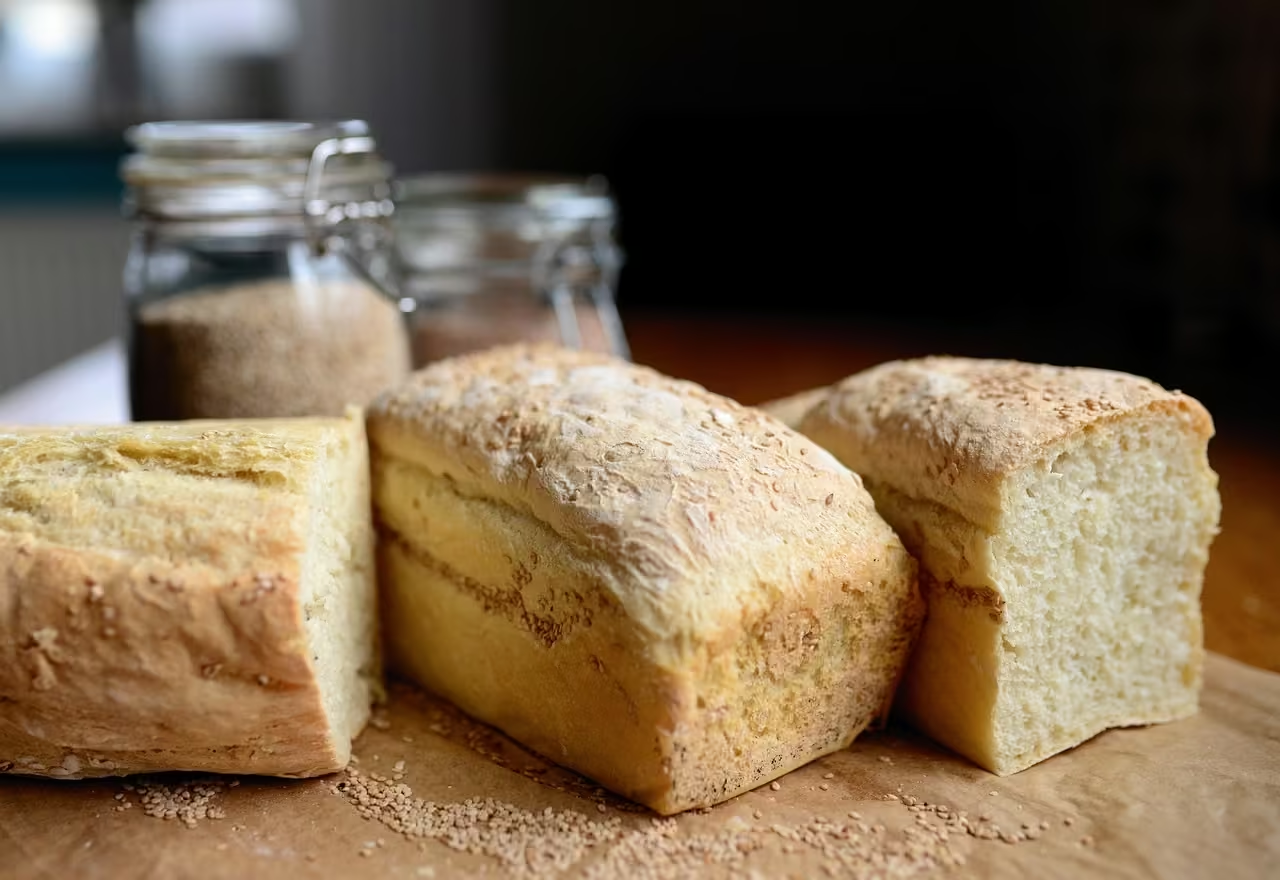
Traditional or Artisan Bread
- Made with simple ingredients such as flour, water, yeast, and salt.
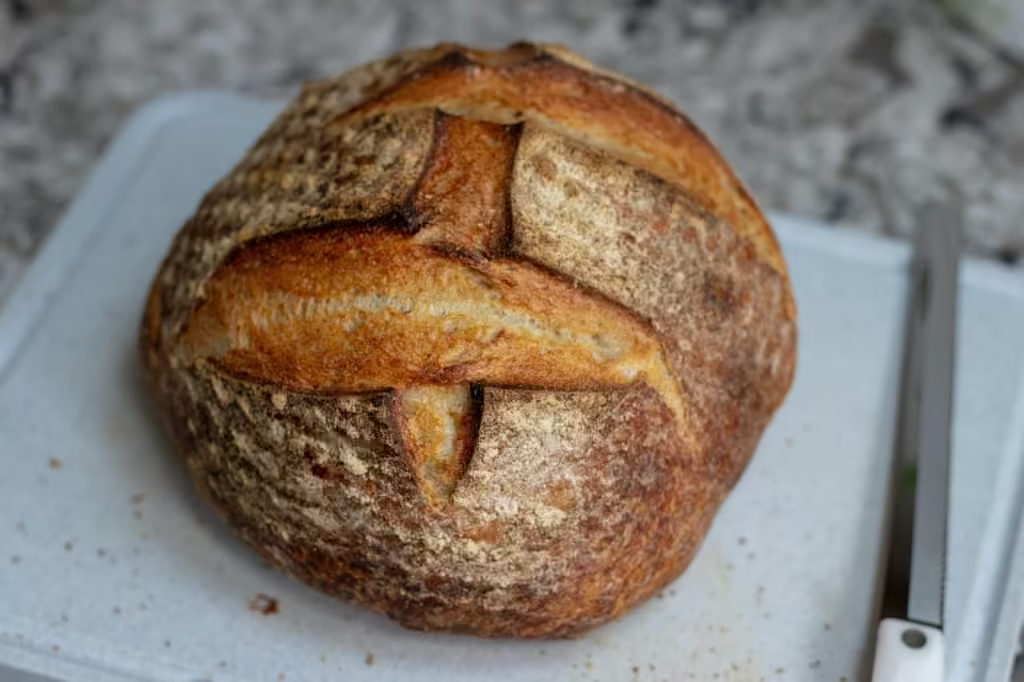
- It may include natural fermentation processes, like Sourdough, which can enhance flavor and digestibility.
- Typically higher in fiber, especially wholegrain or seeded varieties.
How to Choose a Healthier Bread
Shopping for bread can feel overwhelming when all the labels claim to be “healthy” or “whole grain.”
Here are six tips to help you pick a loaf that’s genuinely better for your health:
1. Check the Ingredients List
Flipping the package and reading the ingredients is always a good idea. A shorter list typically indicates a less processed loaf. Look for these key ingredients:
- Flour (ideally wholemeal or wholegrain)
- Water
- Salt
- Yeast or sourdough starter (for fermented bread)
Avoid loaves with additives like mono- and diglycerides, DATEM (diacetyl tartaric acid esters of mono- and diglycerides), or artificial flavors.
2. Look for Wholegrain Options
Wholegrain bread retains the bran and germ of the grain, providing essential nutrients like fiber, vitamins, and minerals. Check labels for claims like “100% whole grain” or “wholemeal.”
Avoid “made with whole grains,” as this often means only a small percentage of the flour is whole grain.
3. Pay Attention to Sodium Levels
Bread can be surprisingly high in salt. Look on the nutrition label for sodium content, and aim for bread with less than 0.7g of salt per 100g.
4. Beware of Added Sugars
Many supermarket loaves use sugar to help ferment or extend shelf life. Choose options with minimal (or no) added sugar. A good rule of thumb is to stay below 4g of sugar per 100g.
5. Consider Sourdough
Traditional sourdough bread, made with flour, water, and a natural fermentation starter, can be a healthier option.
It often contains beneficial bacteria and may have a lower glycemic index, which could stabilize blood sugar levels better than conventional bread.
6. Unpackaged vs. Pre-Packaged
Freshly baked bread from a local bakery or farmers’ market is often less processed than pre-packaged loaves from the supermarket.
Just check that the bakery isn’t using premixes that include additives.
Why Real Bread Matters
Beyond the health benefits, eating less processed bread supports environmental sustainability and local economies.
Real bread, made by skilled bakers using simple ingredients, avoids unnecessary additives while reducing reliance on industrial production methods.
The Real Bread Campaign, an initiative that advocates for additive-free bread, emphasizes this distinction.
Their mantra is simple yet powerful: “Not all loaves are created equal.” Seeking “Real Bread” whenever possible helps ensure you consume a better product for your body and the planet.
What If You’re Short on Time?
If baking bread at home isn’t an option, try choosing frozen wholegrain or sourdough loaves over ultra-processed, store-shelf options. Some brands also offer preservative-free bread. Just double-check the label to ensure transparency around ingredients.
Another option is to invest in a bread machine and make your own at home.
That way, you can control the ingredients and experiment with flavor and texture combinations that suit your taste.
Looking to start making your own bread? Consider investing in a high-quality bread machine to simplify the process.
With a bread machine, you can enjoy fresh, delicious bread with minimal effort while customizing the ingredients to your liking.
A Balanced Approach to Bread
While the term “ultra-processed bread” may sound alarming, let’s not panic.
Bread—even the mass-produced variety—isn’t inherently “bad,” but being mindful of its ingredients and nutritional value can significantly affect our overall health.
Rather than cutting bread out completely, choose healthier options and complement your meals with whole, minimally processed foods.
Healthier bread can still be part of a balanced, enjoyable diet.
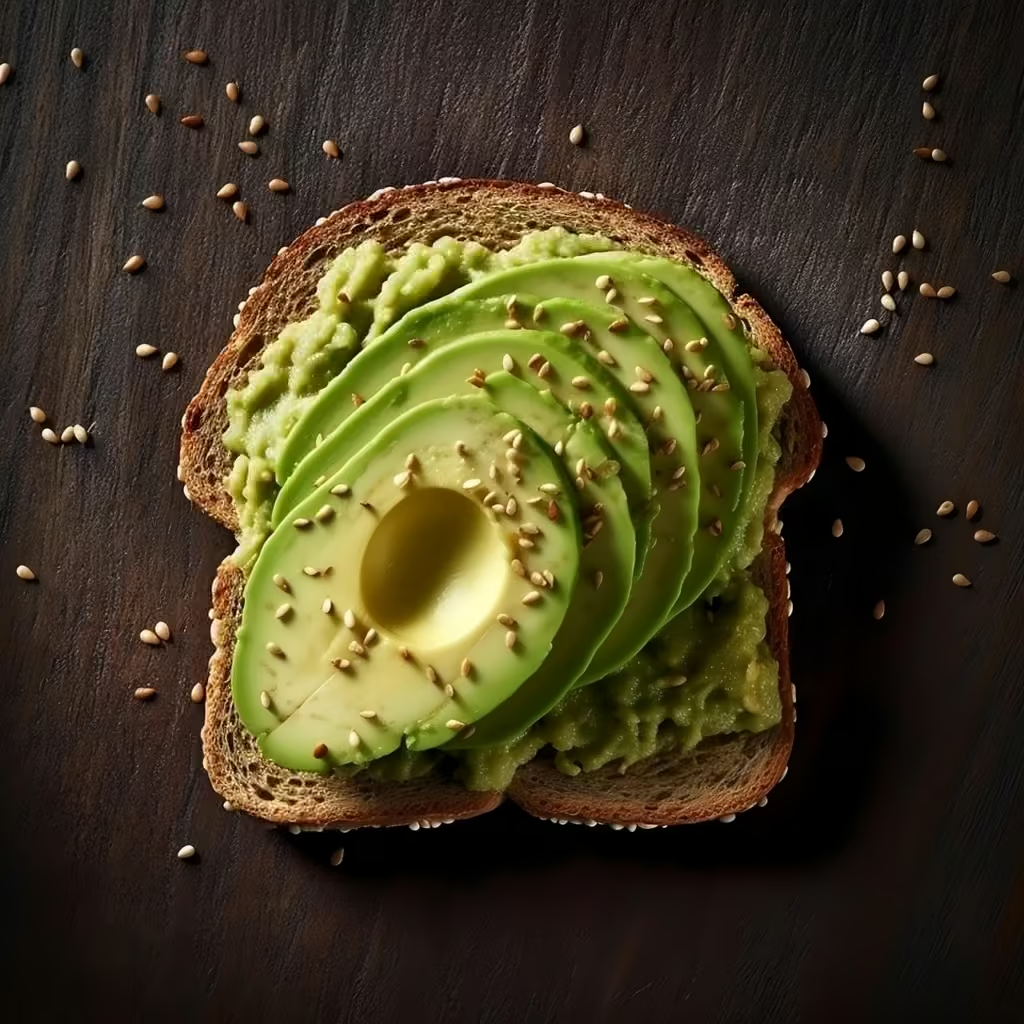
Pair a slice of wholegrain bread with nutrient-rich toppings like avocado, hummus, or fresh vegetables to get the best nutritional bang for your buck.
Thoughtful Choices for a Healthier Plate
Like any other food, bread can be part of a healthy lifestyle when chosen thoughtfully.
By understanding what makes bread ultra-processed and learning to spot healthier options, you’re better equipped to make decisions that align with your wellness goals.
So, next time you’re at the grocery store, take a closer look at the bread aisle, pick up a loaf that prioritizes quality over convenience, and enjoy it guilt-free.
Bonus Resource
Want to learn more about food processing and its health effects? Check out resources from organizations like the British Heart Foundation or the Real Bread Campaign.